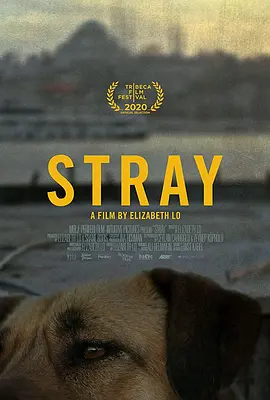
城市是人类文明高度发展的产物,也是一个高度人为制造的环境。能够在城市生活的野生动物,一定是将自己嵌入到了城市运转及人类活动,对生态系统能否正常运转具有指示作用。它们和人类一样,也是城市里的居民,它们的存在有着极为重要的价值。本片以城市里的野生动物为主要观照对象,以启发人们的环境保护意识,思考更为合理的城市发展之路:怎样的城市规划及运转方式,才会为人类提供更美好的生活,实现人与自然的和谐发展。

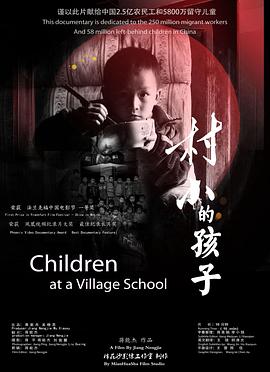
本片为独立纪录片导演蒋能杰留守儿童三部曲的第二部,另外两部分别为《路》和《加一》,蒋能杰致力于用影像关注社会,用镜头呼吁更多人关注留守儿童,重视乡村教育。 (有意观看高清版的,可联系本人微信:1714371600 (QQ) 本片荣获第三届 凤凰视频纪录片大奖 最佳纪录长片奖、法兰克福影展 一等奖。 2009年:首次走进村小,镜头记录临时学校的22个学生(其中17个为 留守儿童),同时关注村小艰难申请重建。 2010年:重建后的村小调来张老师教两个班,代课十几年的张老师老 为转正问题烦心和奔波,跟拍的留守儿童的学习、心理、生活也面临 着种种问题。 2011年:代课的 张老师因种种不满,已离开村小,跟拍的孩子们面临 的问题愈加严重。 2012年:由于媒体的力量,村小的物质条件有所改变,但好像无力改 善更多。 2013年:留守儿童生活看是没什么变化,其实在悄悄变化着。 2014年:又是一年春节,而跟拍的留守儿童家庭 …… 。 2009: First glance at the village school, in which the lives of 22 students including 17 left-behind children, together with the unsmooth application of the school’s reconstruction, were focused on. 2010: Teacher Zhang, a supply teacher with more than 10 years teaching experience, was assigned to the reconstructed school. While in charge of two classes, he was concerned about, and striving for the obtainment of permanent teaching status. Meanwhile, folks began to doubt on the quality of the school buildings, as the left-behind children were facing numerous problems in life, study and emotion. 2011: Mr. Zhang left the school out of dissatisfaction. After he left, the problems those left-behind children were confronting with became more serious. 2012: Thanks to the media, the material condition of the village school began to turn around. However, it still had a long way to go. 2013: The situation of those left-behind children seems unchanged, but it turned out to get changed day by day. 2014:As another Spring Festival comes, what is going on in those left-behind families?