该片讲述了一个单身母亲倾尽所有、守护孤独症女儿的感人故事。吴文雅离婚后与女儿相依为命,她7岁的女儿蓓蓓从小患有孤独症,完全活在自己封闭的世界里,无法独立生活。对于吴文雅来说,女儿即是她的全部。但女儿每一次犯病捂着耳朵的尖声惊叫都让吴文雅心力交瘁、倍感疲惫与迷茫。一次,吴文雅意外发现蓓蓓很喜欢水和海豚,于是她带着蓓蓓来到了圣地海洋世界,在这里,她们认识了海豚驯养员黎冬和陈晓,他们的真诚感染了吴文雅,在他们的帮助下吴文雅坚定了对蓓蓓的信心,一段关于亲情与友情、天使与海豚的故事拉开了帷幕。
Two differences between this Austrian version and the generally available American version are immediately obvious: they differ both in their length and in the language of the intertitles. The American version is only 1,883 metres long - at 18 frames per second a difference of some 7 minutes to the Austrian version with 2,045 metres. Whereas we originally presumed only a negligible difference, resulting from the varying length of the intertitles, a direct comparison has nevertheless shown that the Austrian version differs from the American version both in the montage and in the duration of individual scenes. Yet how could it happen that the later regional distribution of a canonical US silent film was longer than the "original version"? The prevalent American version of Blind Husbands does not correspond to the version shown at the premiere of 1919. This little-known fact was already published by Richard Koszarski in 1983. The film was re-released by Universal Pictures in 1924, in a version that was 1,365 feet (416 metres) shorter. At 18 frames per second, this amounts to a time difference of 20 minutes! "Titles were altered, snippets of action removed and at least one major scene taken out entirely, where von Steuben and Margaret visit a small local chapel." (Koszarski) From the present state of research we can assume that all the known American copies of the film derive from this shortened re-release version, a copy of which Universal donated to the Museum of Modern Art in 1941. According to Koszarski the original negative of the film was destroyed sometime between 1956 and 1961 and has therefore been irretrievably lost. This information casts an interesting light on the Austrian version, which can be dated to the period between the summer of 1921 and the winter of 1922. Furthermore, the copy is some 200 metres longer than the US version of 1924. If one follows the details given by Richard Koszarski and Arthur Lennig, this means that, as far as both its date and its length are concerned, the Austrian version lies almost exactly in the middle between the (lost) version shown at the premiere and the re-released one.A large part of the additional length of the film can be traced to cuts that were made to the 1924 version in almost every shot. Koszarski describes how the beginning and the end of scenes were trimmed, in order to "speed up" the film. However, more exciting was the discovery that the Austrian version contains shots that are missing in the American one - shots/countershots, intertitles - and furthermore shows differences in its montage (i.e. the placing of the individual shots within a sequence). All this indicates that Die Rache der Berge constitutes the oldest and most completely preserved material of the film.
郊区某处突发地面沉降,一队工程师前往调查原因。队员夏昊每天背着沉重的测量设备,在已经撤空的郊区里游荡。一日,他进入一间无人的小学,读到一本日记,里面记载了少年隐秘的成长和一个团体的破裂,随着调查的进行,夏昊发现,日记预言了一切。
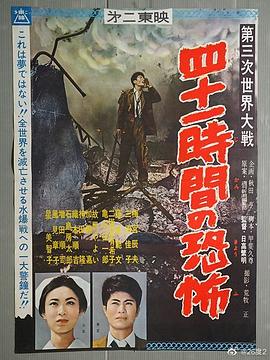
美国空军飞机偶遇朝鲜的核弹,这个国家准备在中国和苏联的协助下与美国展开战争,而在日本东京一家报纸的记者覆盖了美国军队准备在附近的一个空军基地动员,而他的护士女友与民防组织准备迎接即将到来的核毁灭。